
Leg Ulcer Treatment in Avon, OH
Specialized wound care and vein treatment to heal leg ulcers and prevent them from coming back — right here in Avon.Ohio Vein & Vascular – Avon
Email: info@loveyourveins.com
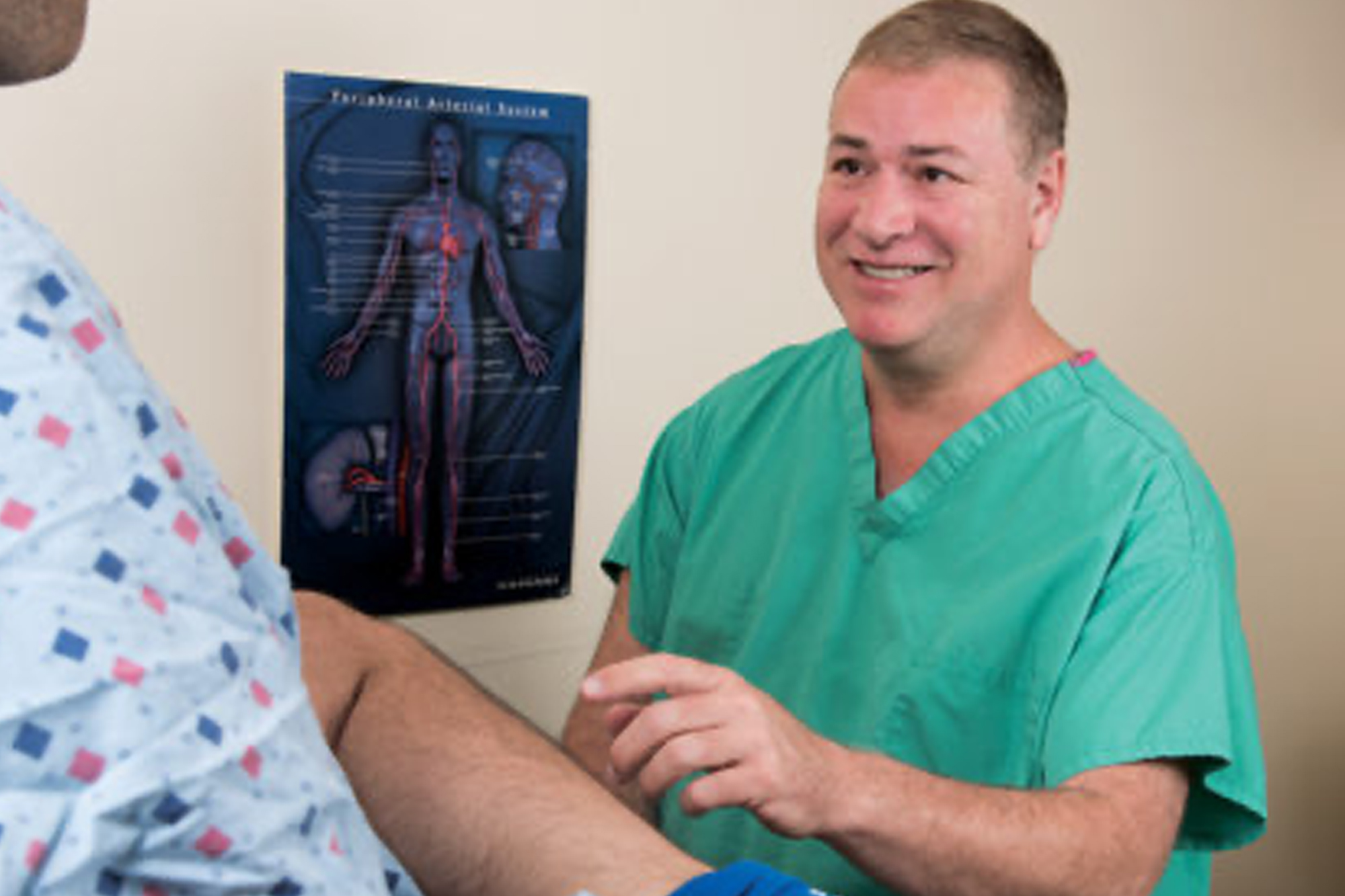
Dealing With a Wound on Your Leg That Won’t Heal?
An open sore on your lower leg or ankle that refuses to close — despite weeks or even months of care — is more than frustrating. It can be painful, prone to infection, and a source of real anxiety. If you’re living with a leg ulcer in the Avon area, you’re not alone, and there is effective treatment available.
Most leg ulcers are caused by underlying vein disease. At Ohio Vein & Vascular in Avon, we don’t just treat the wound on the surface — we identify and correct the vascular problem that’s preventing it from healing. That’s the key to closing the ulcer and keeping it from returning.
What Are Leg Ulcers?
Leg ulcers are open, slow-healing wounds that typically develop on the lower leg, often near the ankle. The most common type — accounting for the majority of cases — is the venous leg ulcer, which is caused by poor blood circulation in the leg veins.
When the one-way valves in your veins stop working properly, blood pools in your lower legs instead of flowing back to your heart. This condition, known as chronic venous insufficiency (CVI), creates sustained high pressure in the veins. Over time, this pressure damages the skin and surrounding tissues, eventually leading to an open wound that the body struggles to repair on its own.
Risk factors for leg ulcers include a history of CVI, deep vein thrombosis (DVT), previous leg injuries, obesity, prolonged standing, diabetes, and advanced age. If you have any of these risk factors and have noticed skin changes or a wound developing on your lower leg, early evaluation at our Avon office is critical.
Signs You May Have a Leg Ulcer or Be at Risk
Leg ulcers don’t appear overnight. They develop through a progression of warning signs that, when recognized early, can be treated before an open wound forms. If you’re experiencing any of the following, schedule an evaluation at our Avon clinic:
Open Wound Near the Ankle
A sore on the lower leg or ankle that has been present for weeks and shows no signs of closing on its own.
Wound Drainage or Odor
Discharge from the wound that may be clear, yellowish, or foul-smelling — indicating possible infection or poor healing.
Pain Around the Wound
Aching, throbbing, or burning pain near the ulcer site that may worsen when standing and improve with leg elevation.
Skin Discoloration
Dark brown or reddish patches around the ankles — a warning sign of venous damage that often precedes ulcer formation.
Hardened or Thickened Skin
The skin around the wound feels tough, leathery, or thickened — a condition called lipodermatosclerosis caused by chronic inflammation.
Persistent Swelling
Ongoing swelling in the lower leg and ankle that accompanies the wound and doesn't fully resolve with elevation.
Itching & Flaking Skin
Dry, itchy, flaking skin around the ankles — sometimes called venous eczema — that signals poor circulation in the area.
Recurring Wounds
A wound that heals briefly then reopens in the same area — a strong indicator that the underlying vein problem hasn't been addressed.
Leg ulcers that go untreated can grow larger, become infected, and lead to serious complications including cellulitis and, in rare cases, bone infection. The sooner the underlying vein disease is treated, the better your chances of complete and lasting wound healing.
What You May Have Already Tried
If you’ve been living with a non-healing wound, you’ve likely spent considerable time and energy trying to get it to close. Many of our Avon-area patients come to us after trying:
- Wound dressings and bandages — changing bandages daily, sometimes for months, without meaningful progress
- Topical antibiotics and ointments — helpful for preventing infection but unable to address the vascular cause of the wound
- Visits to a wound care center — valuable support, but without treating the vein disease, the ulcer often stalls or recurs
- Compression wraps — provide some improvement but can be uncomfortable and don’t fix the underlying valve dysfunction
- Oral antibiotics — prescribed for infection but they don’t promote wound closure when the root problem is venous insufficiency
These measures can play a supporting role, but a leg ulcer driven by vein disease will not heal fully until the circulation problem is corrected. That’s where our vascular specialists come in — we treat the cause so the wound can finally close.

Leg Ulcer Treatment Options at Ohio Vein & Vascular in Avon
Our approach to leg ulcer treatment is two-pronged: we treat the wound itself while simultaneously correcting the vein disease that caused it. After a thorough evaluation — including duplex ultrasound to map the circulation in your leg veins — our team will recommend a personalized plan. Options available at our Avon location include:
Radiofrequency Ablation (RFA)
By sealing the malfunctioning vein responsible for venous hypertension, RFA eliminates the root cause of your leg ulcer. Once blood flow is redirected through healthier veins, the wound environment dramatically improves.
Unna Boot Compression Therapy
A medicated zinc-oxide compression wrap applied directly to the wound and lower leg. The Unna Boot promotes healing by maintaining consistent compression, reducing swelling, and creating an optimal environment for tissue repair.
Varithena®
A microfoam injection that collapses diseased veins contributing to venous pressure. By shutting down these failing pathways, blood is rerouted and the conditions that caused the ulcer are corrected.
Sclerotherapy
Targeted injections that close smaller veins feeding into the ulcer area. Often used in combination with ablation to ensure complete treatment of the diseased vein network surrounding the wound.
By treating the underlying vein disease, we create the conditions your body needs to heal the wound naturally. Many of our patients see significant wound improvement within weeks of their vein procedure — and with the root cause corrected, the risk of the ulcer returning is dramatically reduced.
Expert Care You Can Trust
Our board-certified vascular specialists have extensive experience treating venous leg ulcers — including wounds that have resisted healing for months or even years. We combine advanced vein procedures with proven wound care strategies to give your body the best possible chance at full recovery.
What to Expect at Your Avon Leg Ulcer Evaluation
Healing starts with understanding what’s causing the wound. Here’s what to expect at your evaluation in our Avon office:
Many patients who come to us have been told their wound will “just take time.” While patience is part of healing, a leg ulcer that isn’t improving after several weeks needs a vascular evaluation. The right diagnosis changes everything.
Your Leg Ulcer Can Heal — Let Us Help
A non-healing wound deserves more than bandage changes. Get to the root of the problem at Ohio Vein & Vascular in Avon — schedule your free screening today.
Ohio Vein & Vascular – Avon
Email: info@loveyourveins.com
