
Peripheral Artery Disease (PAD) Treatment in North Canton, OH
Advanced diagnosis and minimally invasive treatment for peripheral artery disease — right here in North Canton.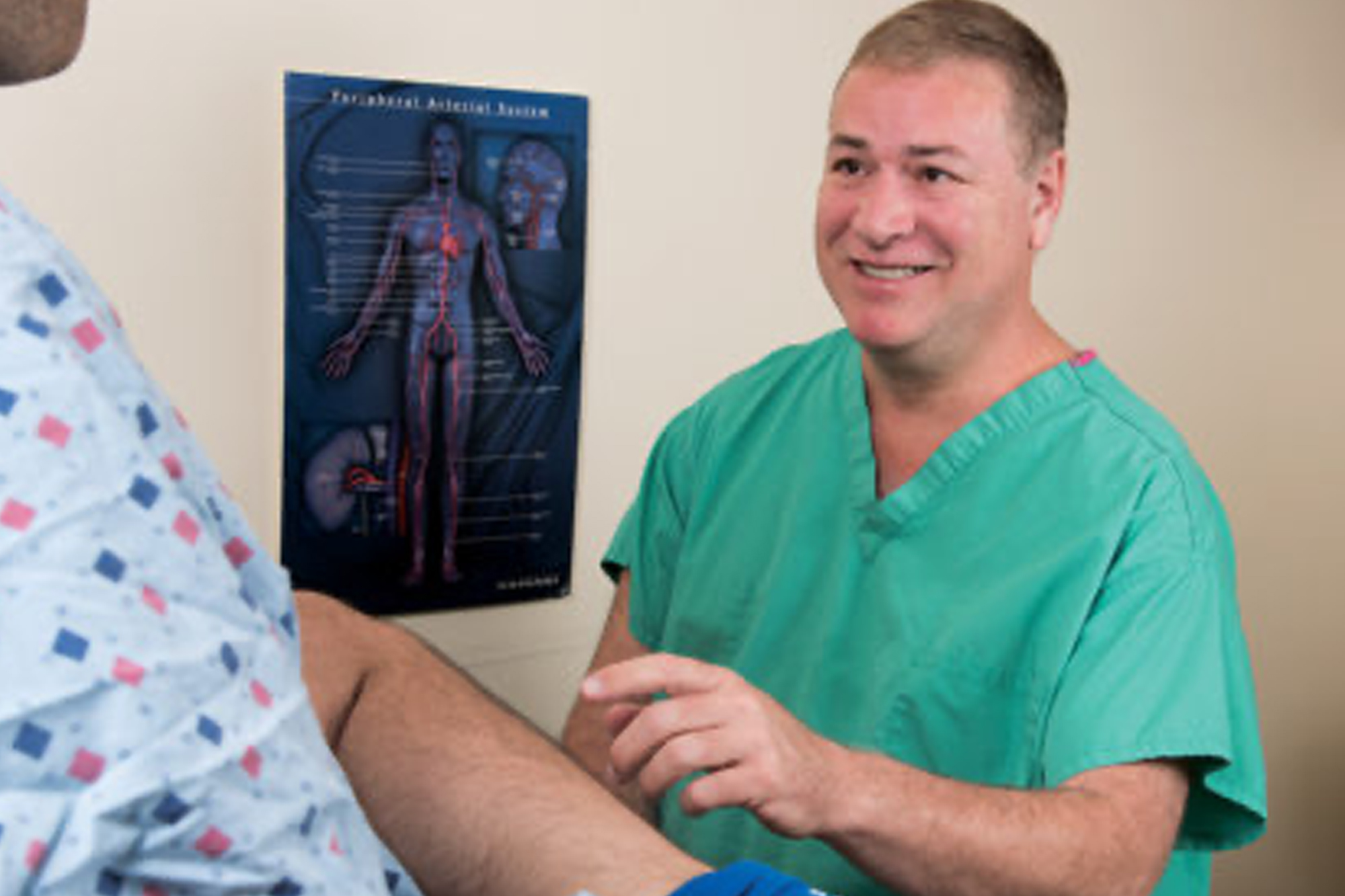
Leg Pain When You Walk? It Could Be PAD.
If walking even short distances causes cramping, aching, or fatigue in your legs — and the pain goes away when you stop to rest — you may be experiencing the hallmark symptom of peripheral artery disease (PAD). This is a serious circulatory condition that affects millions of Americans, many of whom don’t realize they have it.
PAD occurs when the arteries that carry blood to your legs become narrowed or blocked by plaque buildup. At Ohio Vein & Vascular in North Canton, our vascular specialists use advanced diagnostic tools and minimally invasive procedures to restore healthy blood flow to your legs — helping you walk farther, feel better, and reduce your risk of serious complications.
What Is Peripheral Artery Disease (PAD)?
Peripheral artery disease is a condition in which fatty deposits called plaque build up inside the walls of the arteries that supply blood to your legs and feet. As the plaque accumulates, these arteries gradually narrow — a process called atherosclerosis — reducing the amount of oxygen-rich blood that reaches your lower extremities.
Unlike vein conditions that affect blood flowing back to the heart, PAD affects the arteries that carry blood away from the heart to your legs. When your leg muscles don’t get enough blood during physical activity, they cramp and ache. In advanced stages, peripheral artery disease can cause pain even at rest, slow-healing wounds on the feet, and in the most serious cases, tissue loss that can lead to amputation.
PAD is also a strong indicator of systemic atherosclerosis, which means the same plaque buildup may be occurring in arteries throughout your body — including those supplying your heart and brain. Risk factors include smoking, diabetes, high blood pressure, high cholesterol, obesity, and age (especially over 50). If any of these apply to you, a vascular evaluation at our North Canton clinic can assess your arterial health and catch problems early.
Common Signs and Symptoms of PAD
Peripheral artery disease often develops gradually, and many people attribute the early symptoms to aging or being out of shape. If you’re experiencing any of the following, it may be time for a vascular evaluation at our North Canton clinic:
Leg Cramping When Walking
Pain, cramping, or heaviness in the calves, thighs, or hips during physical activity that goes away with rest — called claudication.
Numbness or Weakness
A feeling of numbness, tingling, or weakness in the legs — especially noticeable during activity or when climbing stairs.
Cold Feet or Legs
One foot or leg feeling noticeably colder than the other — a sign that blood flow to that limb is restricted.
Slow-Healing Foot Wounds
Cuts, sores, or blisters on your feet or toes that heal very slowly or don't heal at all due to reduced blood supply.
Skin Color Changes
Pale, bluish, or shiny skin on the legs and feet, sometimes with hair loss on the lower legs — signs of poor arterial circulation.
Weak or Absent Pulse
A diminished or absent pulse in your feet or ankles, which your doctor may detect during a physical examination.
Pain at Rest
Burning or aching pain in the feet or toes while sitting or lying down — a sign of advanced PAD requiring prompt attention.
Erectile Dysfunction
In men, PAD can reduce blood flow to other areas of the body. ED is sometimes an early warning sign of systemic arterial disease.
PAD is a progressive condition. What begins as mild cramping during walks can advance to pain at rest, non-healing wounds, and — in severe cases — the risk of limb loss. Early diagnosis and treatment at our North Canton clinic can slow disease progression and significantly improve your quality of life.
What You May Have Already Tried
If you’ve been living with leg pain during activity or have been told you have poor circulation, you’ve probably explored some ways to manage it. Many of our North Canton-area patients come to us after trying:
- Walking through the pain — exercise is important for PAD, but when the pain limits how far you can go, walking programs alone may not be enough
- Cholesterol and blood pressure medications — critical for managing risk factors, but they don’t remove existing plaque from your arteries
- Quitting smoking — one of the most important steps you can take, though stopping smoking alone won’t reverse arterial blockages already present
- Aspirin or blood thinners — helpful for reducing clot risk but they don’t restore blood flow through narrowed arteries
- Avoiding activities that cause pain — a natural response, but reduced activity leads to deconditioning and can mask disease progression
These lifestyle changes and medications are an essential foundation of PAD management, but many patients need more. When arterial blockages are significant enough to cause symptoms, interventional procedures can restore blood flow and dramatically improve your ability to walk and function.

PAD Treatment Options at Ohio Vein & Vascular in North Canton
At our North Canton clinic, we offer advanced interventional procedures performed in our state-of-the-art cath lab to restore blood flow through blocked or narrowed arteries. After a thorough evaluation — including ankle-brachial index (ABI) testing and arterial imaging — our team will recommend a personalized treatment plan. Options available at our North Canton location include:
Atherectomy
A specialized catheter is guided to the blockage site where it physically removes plaque from inside the artery wall — restoring the vessel's opening and improving blood flow to your legs and feet.
Iliac Angioplasty & Stenting
A small balloon is inflated inside the narrowed artery to widen it, and a metal stent is placed to hold it open permanently. This is especially effective for blockages in the iliac arteries that supply blood to the legs.
Pedal Access Zero Contrast Revascularization
An advanced technique that accesses blocked arteries through the foot, using zero contrast dye — making it safe for patients with kidney disease or contrast allergies who might otherwise have limited treatment options.
Renal Artery Stenting
For patients with PAD and concurrent renal artery stenosis, stenting the kidney arteries can help manage blood pressure and protect kidney function as part of a comprehensive vascular treatment plan.
All of these procedures are performed in our on-site cath lab, allowing us to diagnose and treat peripheral artery disease in a single visit in many cases. Most patients go home the same day with significantly improved blood flow.
Expert Care You Can Trust
Our board-certified vascular specialists are experienced in treating the full spectrum of peripheral artery disease — from early-stage claudication to critical limb ischemia. We combine cutting-edge interventional techniques with compassionate, patient-centered care to protect your mobility and your quality of life.
What to Expect at Your North Canton PAD Evaluation
If you suspect you may have peripheral artery disease, or if you’ve been referred by your primary care physician, here’s what to expect at our North Canton office:
Peripheral artery disease is highly treatable when caught early. The sooner arterial blockages are identified, the more options are available to restore circulation and prevent the condition from progressing to critical limb ischemia. Don’t dismiss leg pain as “just getting older” — get evaluated.
Don’t Let PAD Slow You Down in North Canton
Leg pain when walking isn’t something you should accept as normal. Get the answers you need at Ohio Vein & Vascular in North Canton — schedule your free screening today.
